
Exploring the historical evolution of gambling practices across cultures
Ancient Beginnings of Gambling
The origins of gambling can be traced back to ancient civilizations, where it served not only as a form of entertainment but also as a way to make decisions or predict the future. Archaeological findings reveal that dice made from bones were used in ancient Egypt and Mesopotamia around 3000 BCE. These early forms of gambling often involved rituals and were closely tied to cultural beliefs, demonstrating that gambling was not merely a game but a significant social practice. Today, many people enjoy the thrill of games found at us online casinos, reflecting this age-old tradition.
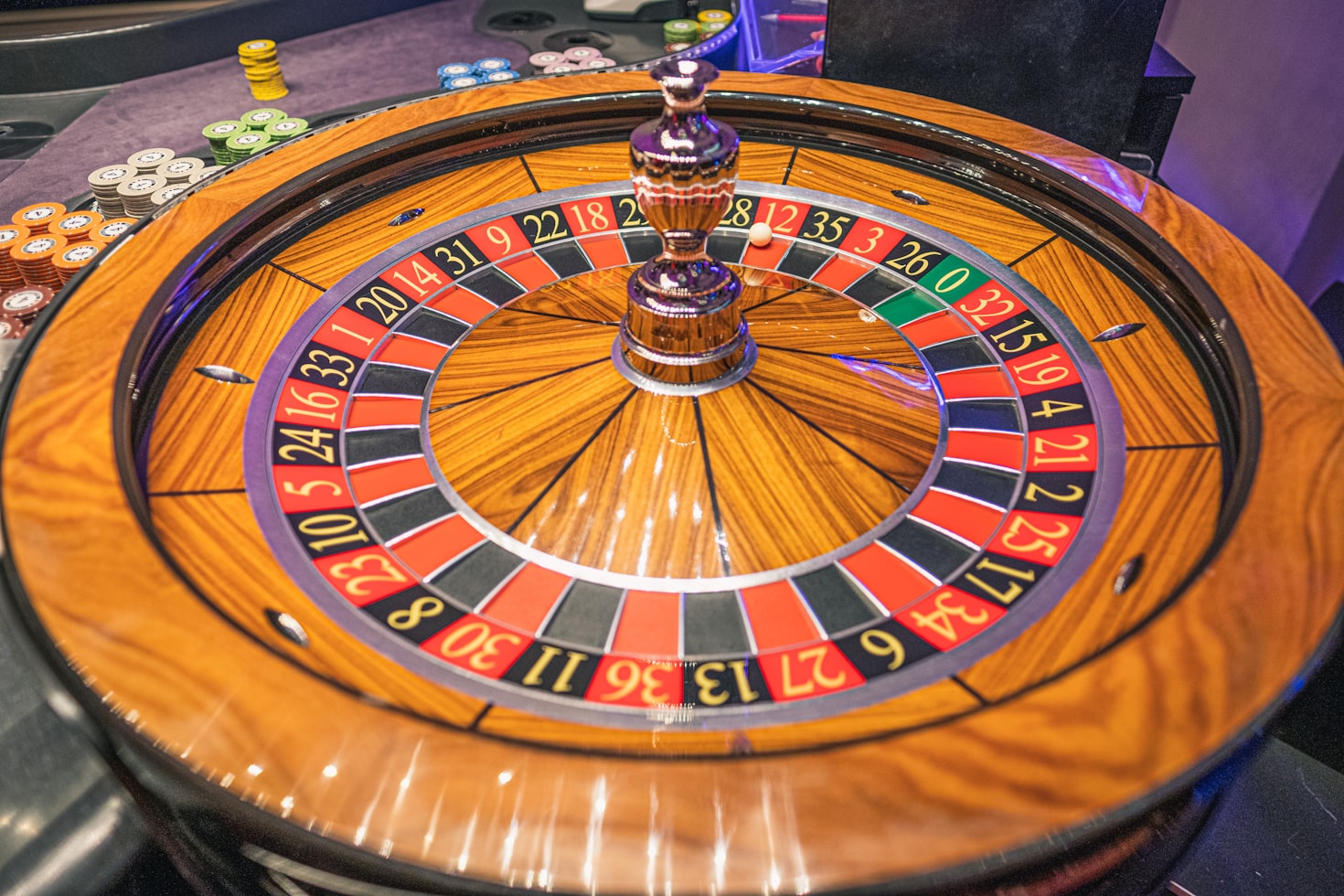
In ancient China, gambling practices began to emerge around the same time, with the invention of games like Keno, which was used to fund the construction of the Great Wall. These practices not only highlight the popularity of gambling but also its integration into societal structures, indicating how various cultures utilized games of chance to influence social outcomes and even governance.
The Rise of Gambling in Classical Civilizations
As civilizations evolved, so too did gambling practices. The Greeks and Romans embraced gambling in a more structured manner, with evidence of organized betting on sporting events and gladiatorial games. The Greeks introduced the idea of betting on athletic competitions, which became an integral part of their festivals and cultural identity. This formalization of betting practices laid the groundwork for future gambling frameworks.
In Rome, various forms of gambling flourished, ranging from simple dice games to more complex betting systems associated with chariot races. The Roman Empire also established legal frameworks to regulate gambling, showing its significance within society. These developments not only reflected the cultural attitudes toward chance and risk but also contributed to the social fabric of the time, as gambling became a communal activity.
Gambling in the Middle Ages and the Renaissance
During the Middle Ages, gambling took on new forms and contexts, often influenced by the rise of the Church, which viewed gambling with suspicion. Despite the restrictions, games like card playing began to emerge, leading to the development of modern gambling games. The introduction of playing cards to Europe from Asia in the 14th century sparked a gambling revolution, leading to the establishment of numerous gambling houses.
The Renaissance period saw a resurgence in gambling practices, paralleling advancements in society and the arts. The creation of formal gaming houses in cities like Venice and Paris reflected both the popularity of gambling and its role in social interactions. These establishments became social hubs where the elite gathered to engage in games of chance, further normalizing gambling as a leisure activity across social classes.
Modern Gambling Practices and Regulations
The 19th and 20th centuries marked a significant transformation in gambling, with the establishment of casinos and the introduction of lotteries. Las Vegas emerged as a focal point for modern gambling culture, symbolizing the fusion of entertainment and chance. Technological advancements also played a crucial role in shaping the gambling landscape, with the introduction of slot machines and online gambling, making it accessible to a broader audience.
Legal frameworks surrounding gambling have evolved, reflecting societal attitudes and economic needs. Many countries have legalized various forms of gambling, implementing regulations to ensure fairness and protect consumers. The ongoing debate about the implications of gambling on society continues to shape policies, as communities balance economic benefits with social responsibilities.

AdventureGamers.com: A Hub for Gaming Insights
AdventureGamers.com is dedicated to providing gaming enthusiasts with a comprehensive platform that covers a wide range of topics, including the cultural aspects of gambling in gaming. The site offers reviews, news, and resources that enhance the gaming experience, fostering a community of like-minded individuals who share a passion for adventure games.
By exploring the intersection of gambling and gaming, AdventureGamers.com highlights how historical practices influence modern game design and player engagement. The community thrives on shared insights and experiences, encouraging gamers to stay informed about the latest trends in both the gambling and gaming worlds, making it a valuable resource for those interested in this multifaceted topic.
Comentarios recientes