
The allure of high-stakes gambling
The thrill of high-stakes gambling captivates many individuals, often drawing them into the vibrant atmosphere of casinos. This allure is primarily fueled by the adrenaline rush associated with significant financial risks. Players find themselves on an emotional rollercoaster, experiencing the highs of potential wins and the lows of losses. The excitement often overshadows rational thinking, making it easier for gamblers to justify their spending, even when the stakes are incredibly high. In this context, exploring sports betting cryptocurrency can also expand the horizons of modern gambling.
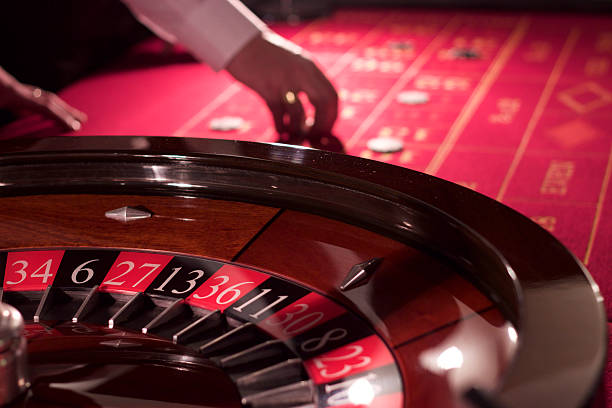
Moreover, the allure is compounded by the social environment of casinos. Being surrounded by other players, lights, sounds, and the buzzing atmosphere enhances the excitement and creates a collective experience. This social reinforcement can encourage risk-taking behavior as people seek to emulate the successes and experiences of those around them.
The role of cognitive biases
Cognitive biases play a significant role in the psychology of high-stakes gambling. For instance, the illusion of control is a common phenomenon where gamblers believe they can influence the outcome of a game through their actions or choices. This belief can lead to overconfidence, pushing players to wager larger amounts than they initially intended. Such biases create a distorted perception of reality, making it harder for gamblers to recognize the odds against them.
Additionally, the confirmation bias often manifests in high-stakes environments. Gamblers tend to remember their wins while minimizing or forgetting their losses. This selective memory reinforces their perception that they are good at gambling, which can trap them in a cycle of continuous betting, despite evidence to the contrary.
Emotional involvement and decision-making
Emotions play a crucial role in the decision-making processes of high-stakes gamblers. The euphoria associated with winning can lead to impulsive behavior in subsequent bets, as players chase the ‘high’ of their recent victories. This emotional state often clouds judgment, leading to decisions based more on feelings than logical reasoning.
Addiction and compulsive gambling
The risk of developing a gambling addiction is heightened in high-stakes environments. The excitement can quickly transition from a recreational activity to a compulsive behavior, where the individual feels an insatiable urge to gamble, regardless of the consequences. This addiction often leads to significant financial, social, and emotional hardships.

Discovering resources for safe gambling
In an increasingly digital world, the availability of resources to aid responsible gambling is becoming more accessible. Websites offering expert insights, rankings, and peer reviews can help individuals navigate the landscape of gaming responsibly. For instance, comprehensive evaluations of online platforms can assist in making informed decisions, steering clear of potential pitfalls associated with high-stakes gambling.
Engaging with these resources not only educates players about the risks involved but also provides valuable strategies for maintaining control over their gambling habits. By prioritizing informed choices and utilizing available tools, individuals can foster a safer gaming environment for themselves and the larger community.
Comentarios recientes